








Are you wondering whether Invisalign or braces is the right choice for straightening your teeth? In fact, both options offer effective ways to fix misalignment, gaps, crowding, and bite issues. Whether you’re seeking a subtle solution or a more traditional approach, understanding the pros and cons of each can make a big difference. In this guide, we’ll break down the key differences between Invisalign vs. braces to help you make the best decision for your smile.1
At 7Dental, we believe that informed decisions lead to confident, successful treatments. Therefore, here’s what you need to know before choosing the orthodontic option that suits you best.
What is Invisalign?
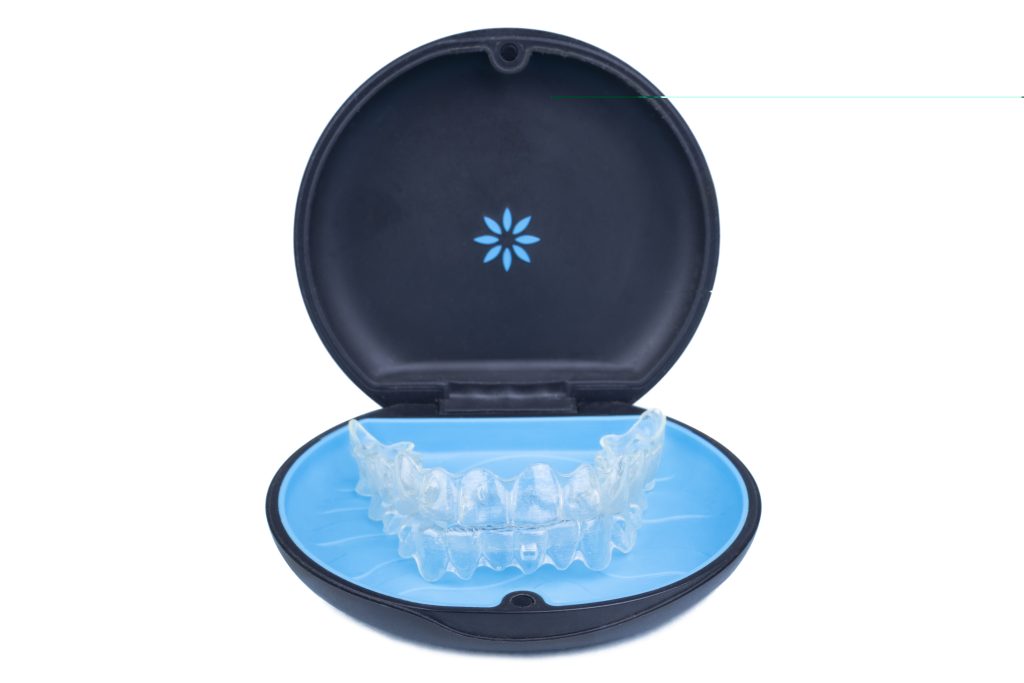
Invisalign is a modern orthodontic treatment that uses a series of custom-made, clear aligners to gently shift your teeth into place. These aligners are nearly invisible, removable, and designed for comfort. Generally, patients switch to a new set of aligners every 1–2 weeks, based on your dentist’s recommendation.
How Does Invisalign Compare to Braces?
Choosing between Invisalign vs. braces often depends on your lifestyle, treatment goals, and the severity of your alignment issues. In order to help you decide, here’s a side-by-side look:
| Feature | Invisalign | Traditional Braces |
| Visibility | Nearly invisible | Very noticeable |
| Removability2 | Removable | Fixed |
| Comfort | Smooth plastic, no wires | Metal brackets can irritate gums |
| Oral Hygiene | Easier to brush and floss | More difficult to clean around |
| Treatment Time | Varies, often faster | Varies depending on case |
| Diet Restrictions | None (remove when eating) | Avoid sticky/hard foods |
| Ideal For | Mild to moderate cases | Moderate to severe cases |
Benefits of Invisalign
Invisalign has become a popular choice among teens and adults alike. So, what makes it so appealing?
- Discreet: Clear aligners are nearly invisible in photos and in person.
- Convenient: You can eat anything you want—just remove your aligners first.
- Comfortable: No wires, no brackets, and fewer emergency visits.
- Personalized: Aligners are custom-designed using advanced 3D imaging.
Consequently, these benefits explain why so many people choose Invisalign for their smile journey.
Things to Consider Before Choosing Invisalign vs. Braces
However, Invisalign isn’t ideal for every patient. Before committing, here are a few important points to keep in mind:
- Aligners must be worn 20–22 hours per day for effective results
- Not suitable for complex cases like severe overbites or large gaps.
- Aligners must be removed before eating or drinking (except water).
Still unsure? A consultation with your dentist will help determine whether Invisalign is right for you or if traditional braces may be a better fit.
Am I a Good Candidate for Invisalign?
You might be a great fit for Invisalign if you have:
- Mild to moderate crowding
- Gaps between teeth
- Mild overbite, underbite, or crossbite
- Minor alignment concerns
Moreover, Invisalign is often ideal for those who value aesthetics and flexibility. At 7Dental, we carefully evaluate your x-rays, bite, and overall oral health to recommend the most effective treatment option—whether that’s Invisalign or braces.
What to Expect: The Invisalign Treatment Process
If you’re considering Invisalign vs. braces, it’s helpful to understand what the Invisalign treatment process looks like—from your first visit to your final aligner.
To start, the team at 7Dental will schedule a complimentary consultation with an Invisalign-certified dentist. During this visit, your dentist will take x-rays and check your bite, jaw, and teeth positioning. This helps us understand your needs and create a treatment plan just for you.
Next, we’ll take an impression of your teeth and perform 3D digital scans. These detailed images will be used to map how your teeth will move during treatment. They also help us design your custom-molded aligners.
Once your plan is finalized, your aligners will be made. Usually, your first set is ready in about six weeks. When they arrive, your Invisalign journey can begin.
Your Progress with Invisalign
Throughout your Invisalign treatment, you’ll wear a series of clear aligners. Each one is slightly different and gradually moves your teeth into place.
- On an average, patients receive between 18 and 30 aligners during treatment.
- Each aligner moves your teeth a small amount—about 0.25mm per day.
- In many cases, you’ll start to see changes after just a few weeks.
Every 1–2 weeks, you’ll switch to a new aligner, following your dentist’s instructions.
Treatment Time and Results
For most adults, treatment takes between 9 and 15 months. This depends on how complex your case is and how closely you follow the plan.
You’ll visit us occasionally for progress checks and to receive new aligners. There’s no need for wire adjustments, which makes this process simpler than traditional braces.
By the end of your treatment, you’ll have straighter teeth and a healthier smile. Best of all, the process is comfortable, discreet, and fits into your routine with ease.
Your Smile, Your Choice — Start with Invisalign at 7Dental
Whether you’re a teen, a busy professional, or someone simply looking to feel more confident, Invisalign offers a flexible and discreet solution. Furthermore, our team at 7Dental will walk you through every step of your journey—from your first digital scan to your final retainer.
Book your Invisalign consultation at 7Dental today and take the first step toward a straighter, healthier smile, without the hassle of metal braces.