








Many Canadians notice tooth sensitivity as temperatures drop in fall and winter. Cold air, seasonal changes, and winter activities can trigger discomfort, making it essential to follow cold weather dental tips to protect your teeth and gums. Understanding the causes of sensitivity and taking preventive steps ensures your smile remains healthy, strong, and comfortable throughout the season.
Why Cold Weather Causes Tooth Sensitivity
Cold air can cause enamel to contract, exposing sensitive nerves. Other contributing factors include receding gums, worn enamel, or untreated cavities. Tooth sensitivity can range from mild discomfort to sharp pain, but addressing issues early prevents further damage. Following cold weather dental tips now helps you maintain optimal oral health.
At-Home Cold Weather Dental Tips
Protect your teeth this winter with these simple strategies:
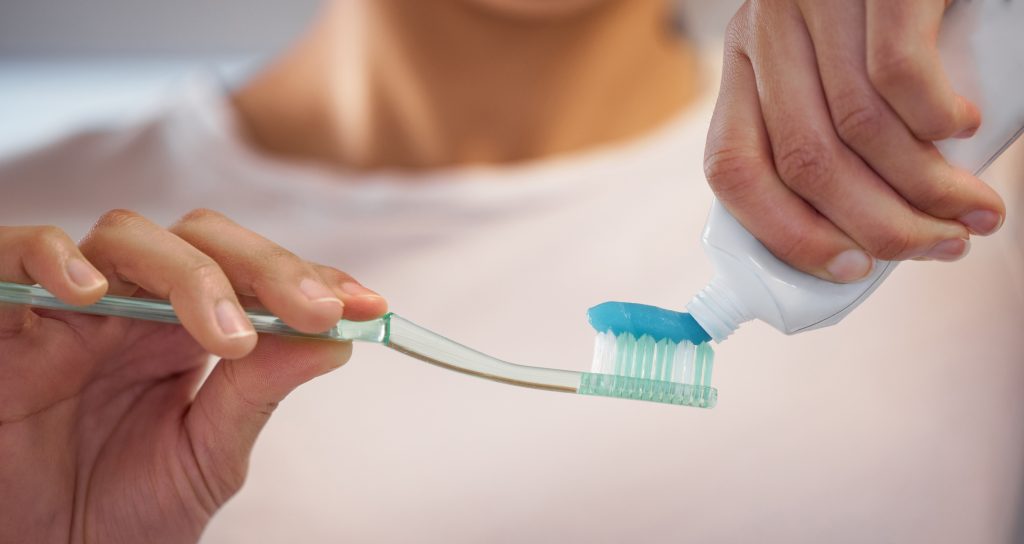
- Use toothpaste for sensitive teeth to reduce pain and strengthen enamel.
- Avoid acidic foods and drinks that can exacerbate sensitivity.
- Wear a scarf over your mouth when outside in cold weather to shield teeth from extreme temperatures.
- Drink fluoridated water to help remineralize enamel.
These cold weather dental tips help minimize discomfort while keeping your teeth healthy.
When to See a Dentist for Tooth Sensitivity
Persistent or worsening sensitivity may indicate deeper issues such as cavities, cracks, or gum disease. Professional treatment—including fluoride applications, dental bonding, or sealants—can protect enamel and relieve discomfort. Schedule a consultation with your dentist if sensitivity persists.
7Dental Tip: Protect Your Smile During Cold Weather

Cold weather doesn’t have to mean discomfort. Our team at 7Dental offers preventive care and treatments to strengthen enamel and reduce sensitivity. For additional guidance, check out the Ontatio Dental Association’s guide on sensitive teeth.